Categories
Edu Startups Entrepreneurship Tech in the classroom

RemixEd K12: Mixing up #edtech

As part of my new initiative, TeacherSquare, I’m super excited to be partnering with edShelf to host our first educator focused hackathon, RemixEd: Build Tools for Schools which will take place Aug 4-5th at 500 Startups in Mountain View, CA. Building on the vision of previous Teacher Tech Talks, this event is designed specifically for teachers, as part of a larger effort to bring the educator and education startup communities closer together. Only current classroom teachers can submit ideas and Mike Lee, co-founder of edShelf, has been working with them to set realistic goals for what is possible to ‘hack’ together over the course of ~2 days. We have invited developers, designers and students (yay!) who are passionate about building tools for schools to form teams around the educators and their ideas and spend the weekend building something together. We have an impressive line-up of teachers as judges, as well as some of the best edtech entrepreneurs offering their support as coaches.

While I’m sure some interesting (and useful) tools will be created during the event, what really excites me is co-creating this experience to connect educators to the startup world, giving them an opportunity to inhabit a typical startup incubator space for a couple days and get exposure to their lingo and processes. This is a community-driven event and we are still looking for a couple more sponsors to support these efforts. If you’re interested in helping bridge the educator and edtech divide and getting involved as a sponsor, just let me know.

Some of our favorite edtech bloggers are going to stop by and I will be sure to share the highlights in a follow-up post. You can find out more about events like this @TeacherSquare and follow the progress over the weekend using #RemixEdk12.

Categories
Edu Startups Tech in the classroom

Edtech Handbook Comes to Life

Our K12 education system is extremely complicated. I have spoken with a ton of entrepreneurs who are excited by the challenge of building products to help improve teaching, learning, or the school experience itself, but don’t really understand the nuances that make this a particularly tricky space. I have been thinking about compiling this resource for a while and am happy to see this first draft come to life.

An early version of VentureHacks for Education, the Edtech Handbook is designed to demystify the process of launching an education startup, specifically for companies focused on the K12 market. (I would like to add insights from tackling problems in Higher Ed as well, but for now I personally feel that space has gotten quite a bit of attention lately.) This guide is a collection of tightly curated articles from edtech entrepreneurs sharing their direct experience overcoming specific challenges in designing, launching and distributing products for teachers, schools and districts.

This is a community effort and I’d like to thank the early contributors for sharing their expertise. This space is evolving fast. There is no ‘right‘ way to be an entrepreneur. To make this resource truly useful, I encourage this community to comment on these initial perspectives and invite more education entrepreneurs to become contributors. If you want to see an article on a particular topic and/or contribute to this resource, just contact me.

I hope you find this helpful and would love to hear your feedback!

Categories
Conferences/Events Edu Startups Tech in the classroom

Reflections on my First #ISTE12

The past few days have been equally amazing and exhausting. San Diego was lovely, as always, and I managed to pack in quite a bit during the 2.5 days of the ~5 day extravaganza that is ISTE. With ~15,000 attendees and so much to cover, I tried to balance my time between meeting the who’s who of edtech cyberland in the blogger’s cafe, observing sales pitches in the Expo Hall and actually attending some of the sessions. There was so much to take in and it is impossible to capture everything here, so I’ll focus on a few highlights.

  • It is always great to get out of your own little bubble and meet people from the real world.  I think this is particularly important for entrepreneurs from the Bay Area who are building tools and programs for K12, to meet educators from all over the world and get a diverse perspective of what teaching and learning really entails. It was fabulous to meet the Steve Hargadon in person as I’m a fan of his weekly edtech round-up with Audrey Watters, and also learned more about his project here, ISTE Unplugged. I had so many inspiring conversations with educators across the globe, and even some from my own backyard, who are really diving into experimenting with different tools and technologies in their classrooms. I especially enjoyed Adam Bellow‘s session on Web Tools that will make your Classroom Rock, and was surprised to learn about so many new tools (beyond what comes out of Silicon Valley) and see how he had used them with his students. It was also fun to get a sneak peak of the new tool he built, EduClipper, that he is launching soon.
  • Yong Zhao‘s keynote on Tuesday morning was just fantastic. I really appreciated his in-depth critique of the US education system and how we must rethink our broader goals around what we are teaching and what outcomes we truly desire. He shared some really thought-provoking data around how even though US test scores are extremely low, the actual ‘success’ of our economy is based on embracing creativity and entrepreneurship. (I really hope this message gets to policy-makers as well.)  “You can’t teach creativity, but you can kill it and the US does a worse job of killing it than other countries.” He urges us all to not think about education in terms of deficits, but rather focus on skills and talents, leaving me wondering ‘how can we all tap into our inner Lady Gaga?’
  • Hat’s off to Remind101, ClassDojo and Educreations for throwing an awesome Startup Party on Monday night where I made one of my most exciting connections of the event, Andrew Coy from the Digital Harbor Foundation. Andrew is one of those educators where you can feel the passion flowing out of him and I was so energized to meet his first cohort of EdTech Link Fellows and learn more about the work he is doing connecting educators and technologists in Baltimore. I cannot wait to speak with him again and bring some of his ideas and energy to the Bay Area.

Overall, I was really impressed with how organized the entire production was and how many sessions had their resources posted and ready to share. The Twitter conversation (#ISTE12 & a few people were using #ISTE2012) was a constant flow the entire time, so if you were not able to attend or just want to track down some information, I recommend revisiting those hashtags and checking out all the links. I’m still absorbing everything and will probably process it all just in time for San Antonio next year.

Categories
Conferences/Events

Social Gatherings at #ISTE12

I’m just getting ready to head down to sunny San Diego for my first ISTE Conference. I’ve heard the best aspect of the event is the networking so I thought I’d share the social gatherings that I’m planning on checking out. If you’re around, I’d love to meet up and chat about all things edtech in person.

Sun, June 24th: ISTE Un-Meetup 6pm (location TBD, organized by Meredith Ely, SF Edtech Meetup)

Mon, June 25th

5-730pm: Startup Party at Bar Basic, organized by Remind101, ClassDojo and Educreations

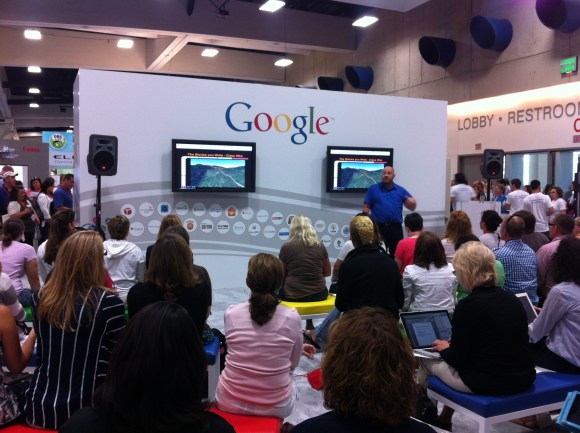
730-1030pm: Google in Education event at Proper Pub

Tues, June 26th– 7pm: Edtech Karaoke Rooftop Party, Andaz Hotel

In true edcrunch style, I promise a full report back on my experience and of course I’ll be tweeting throughout the event.

Categories
Conferences/Events Edu Startups Entrepreneurship

LaunchEdu: The Good, the Bad and the Ugly

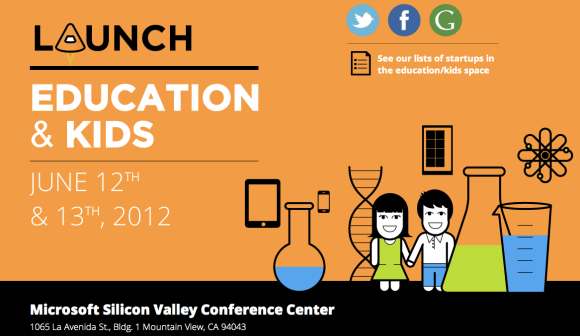
The edtech movement got a boost of good old fashioned Silicon Valley energy at Jason Calcanis’s Launch Edu & Kids conference this past week held at Microsoft in Mountain View, CA.  Calcanis, an entrepreneur, blogger and internet personality behind This Week in Startups (TWiST), hosted his first Launch conference back in Feb 2011 which is designed to showcase unannounced startups. Edtech is definitely trending in the startup scene and there have been several events focused on “education and kids” already this year. I’ve been to quite a few of them, so given that perspective here’s my breakdown on the Good, the Bad and the Ugly.
The Good

Marshall Tuck’s keynote was the highlight of the event. Tuck is the Executive Director of Partnership for Los Angeles schools, an independent nonprofit that works with the City of LA and LAUSD to turnaround LA’s lowest performing schools. He opened the event sharing his experiences from working on the ground in some of the toughest schools in Watt and South & East LA, highlighting the importance of teacher collaboration and setting an entrepreneurial culture that embraces experimentation. “Risk is required to achieve change,” and he wasn’t shy with his praise for ST Math, BetterLesson and a few other tools that have helped his team deliver on their mission.

Given that praise, he also touched on the key element that is often missing from too many edtech startup demos, which is the training and support required to successfully integrate tech tools into learning environments. “Early support (with implementation) is just as important as the software.” Amen!


The Bad

Any effort to bring together a group of individuals focused on providing better tools and resources for our schools and kids in general is a huge step in the right direction. However, the integration of the educator and student perspective felt very superficial. I was hoping that Tuck’s energetic keynote would set the tone for the rest of the event, however, very little focus was placed on how some of the companies highlighted were solving real problems that educators face in the classroom. While Jason and his team made a clear effort to invite teachers and kids to the event, their perspectives were included in what felt like an inauthentic manner. Adding an educator to the judging panel on Day 2 was clearly an after-thought and asking kids to come up and share feedback on pitches in exchange for toys/swag just felt a bit off.

Also, several of the companies were hardly early-stage or unannounced startups, which felt a bit odd presenting with younger startups just coming out of stealth mode.

The Ugly

The deeper issue is that so few conferences and events focused on education even try to engage the educator community. So kudos to Jason and his team for a valid attempt, but it was in no means what we really need from events that are trying to connect educators and edtech startups to create environments fostering true user-centered design. The fact that the event was sold out illustrates the significant interest in this type of gathering, but if we really want to see edtech companies building products people want, we need to include those people (aka educators, parents, learners) in all aspects of the ecosystem in meaningful and authentic ways.

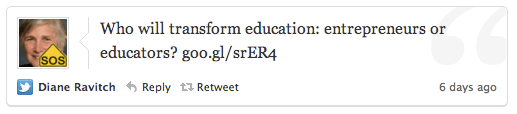
Bridging the tech and education divide is a complex issue and I believe this tweet captures the essence perfectly.

While I keep telling myself I’m going to stop attending events like this, I am off to ISTE later this month and still optimistic about efforts that claim to bring educators and edtech entrepreneurs together to design real solutions for our kids. I’m excited to focus my efforts more on bridging these communities… and more on that soon!

Categories
Blended Learning Tech in the classroom

Envisioning the Future of Learning

School’s out for the Summer! I had the pleasure of advising a class in the Learning, Design and Technology (LDT) program through the School of Ed at Stanford this spring quarter, Ed 333B: Envisioning the Future of Learning. The course was co-taught by two of my favorite LDT Alumni, Dan Gilbert and Ami Mehta, who framed the class around two key questions “What should every 11-year-old girl in the world know?  How might we make that happen?” taking into consideration how technology will evolve over the next ten years.

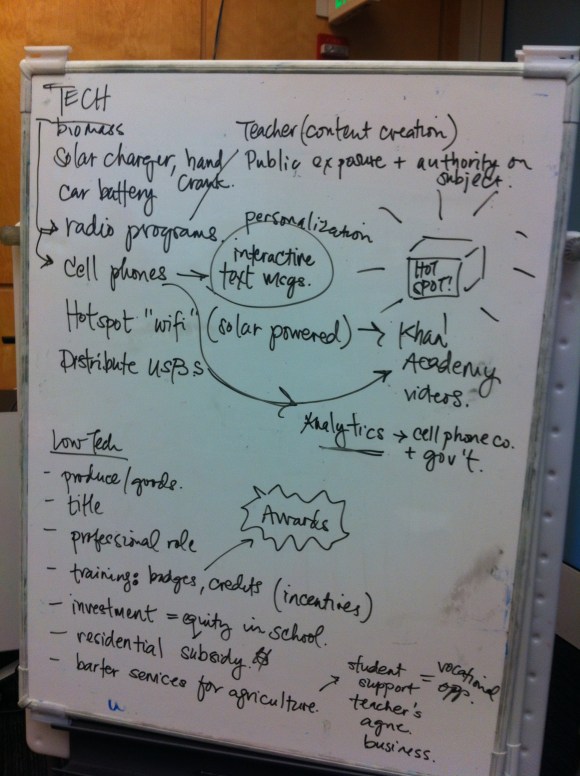
To provide real world context for applying business, design and learning approaches to these questions, we conducted three 2-week long design challenges with real clients from Castilleja Girls School, Khan Academy and TeachAIDS. I was excited to bring some of my experiences from Khan Academy into this class, leading a challenge focused on rethinking how to distribute digital content to empower learners all over the world. The students came up with some creative yet practical approaches and I’m looking forward to piloting this project in partnership with Teach-A-Class and Living Values in Nigeria in the coming months. (Stay tuned for a future post on the launch of my next endeavor.)

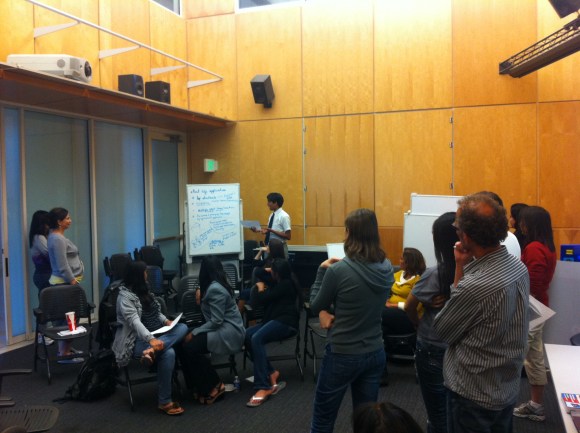
The last class held this past Thursday night was a true culmination of the previous exercises exploring business, design and learning approaches, where the students lead the group in their own unique design challenges. What made the process even more special was the presence of some inspiring LDT alumni like Kim Jacobsen, co-founder of Junyo and local edtech community members, like Neeru Khosla, founder of CK12. However, the guests who really contributed the most were Shivali and Sahil, two Bay Area teenagers who not only provided useful perspective on teens going through the education system today but were energetic and vocal participants in the challenges.

I would love to see more classes like this in the School of Ed that are applying learning & design theories to real-world problems and engaging alumni and community members in the process. I’m glad I was able to be a part of this course and hope to stay connected to these students and projects in the future.

Categories
Conferences/Events Tech in the classroom

Connecting Educators and Edtech

In partnership with the Silicon Valley Community Foundation, I hosted my second Teacher Tech Talk event yesterday which focused on how some schools and educators are using Google Apps for Education (GAFE). Rushton Hurley, a member of the first cohort of Google Certified Educators and Founder/ED of NextVista.org, kicked off the event highlighting some of his favorite aspects of GAFE but more importantly shared an inspiring message for how educators should approach integrating technology.

“It is impossible to stay on top of current technology solutions… So don’t worry about it! Find what works best for you and use it in a way that allows you to tap into your inner explorer.”

Kim Brown and Tim Sato from Portola Valley School District shared specifics around how they deployed the Google Engine and Chris Buja from the startup, Hapara (fresh out of Imagine K12,) provided an overview of how their Teacher Dashboard makes it dead-easy for teachers to manage and optimize the GAFE experience across countless students and documents.

If you are interested in learning more about Google Apps for Edu, I recommend checking out the upcoming GAFE Summit July 12/13 in Santa Clara and reading Richard Byrne’s (FreeTech4Teachers) GAFE Guide.

If you are an educator and looking to get plugged into the edtech startup scene, check out the Launch EDU conference June 12-13th at Microsoft in Mountain View. Please email Megan Dickey at megan@launch.co for a free ticket.

Thanks to all who attended and helped spread the word. It has been truly energizing to see the growing interest in this community, and brainstorming ways to bridge the educator and edu startup worlds. Keep an eye out for details for the next Teacher Tech Talk event coming up in July all about Formative Assessments in the Cloud.

Categories
Ed Reform/Policy Edu Startups Entrepreneurship

Who will Transform Education?

Diane Ravitch, education historian and professor at NYU, recently posted a question to her twitter followers that lead to a pretty heated back and forth with Justin Hamilton, spokesperson for the Dept of Education, and several other followers.

While I am a believer that healthy debate can be very constructive, pushing the thinking and assumptions of both sides, I find this question really perpetuates this gap between educators and education startups. Ravitch’s view over simplifies the classification of an entrepreneur as someone working outside the school system in a for-profit organization with an emphasis on making money.  I think that narrowly defining entrepreneurship in this way not only undermines all the entrepreneurial work happening within the school system, at the classroom and district level, but also disregards non-profit startups that are fully focused on improving education outcomes for all students. And what about creative efforts from parents and students themselves, who often go above and beyond to stretch limited resources and make something out of nothing. Isn’t that form of alchemy the essence of entrepreneurship?

Being a Stanford Ed School Alum, I am familiar with much of Ravitch’s work and often agree with her thinking around focusing on educators and improving the system from within. However, as someone working on finding ways to bridge these two communities and shine a spotlight on teacherpreneurs, I was really disappointed to see this type of divisive conversation. Broad education reform requires a collective effort and I think we should include as many people in this movement as possible. It takes a village, right?

So, who will transform education? All of us.

Categories
Conferences/Events PBL (Project-Based Learning)

Making the Classroom of the Future

The Maker Movement is rocking the education world in a big way.

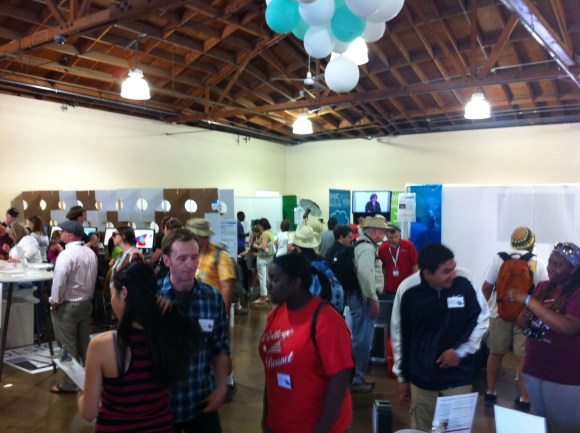
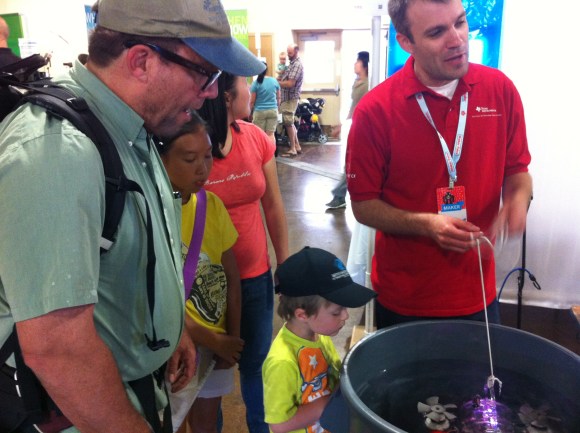
Kudos to EdSurge for organizing all the activities in the Education Pavilion during this year’s Maker Faire, modeling the classroom of the future. From Thursday’s educator meetup to Saturday’s ongoing interviews with Steve Hargadon, that team and extended community of volunteers really kept the Maker-Education conversation buzzing. The several hours I spent there this morning flew by and I have a feeling that even if I were there the whole weekend, I wouldn’t have had the chance to absorb all the amazing creativity, art and energy flowing in this community. While I spent most of my time in the DIY Learning: The New School area with usual edtech suspects like Motion MathRoot-1 & Educreations, I’m glad I got to catch a glimpse of some of my favorite new tinker toys in action, especially LittleBits and Roominate.

As amazing as this weekend was, the dream is to figure out how to truly make classrooms of the future that embody all the making, doing and learning that is at the essence of Maker Faire. Of course, for me the highlights were initiatives that are trying to bring these types of experiences to communities beyond our own.

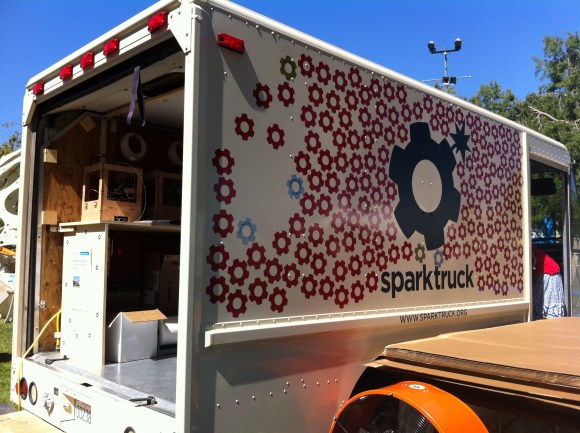
SparkLab was there showing off their newly suped-up SparkTruck, channeling the energy from their Stanford d.school class and successful Kickstarter campaign. They are kicking off their summer road trip over the next few weeks, on a mission to spread “the fun of hands-on learning and encouraging kids to find their inner maker.”

Friend and current Harvard Ed Doctoral Fellow, Karl Wendt, was demonstrating some of his creations from his newly launched non-profit, Discover-Create-Advance (DCA), trying to bring project-based learning (PBL) to all students. They are “currently focused on building a library of highly motivating projects, providing alternative funding for great projects, and posting a series of videos that assist teachers and students in facilitating project based learning.” By empowering teachers, through instructional videos and funding, this effort gets at the core of what makes it so difficult to really bring PBL to every classroom. His video deconstructing a hair dryer is one of my favorites and I cannot wait to see what comes next from DCA.

Ideally, newly launched efforts like the Maker Education Initiative will help channel all the inspiring energy from Maker Faire and other DIY/PBL initiatives to bring these learning opportunities to kids all over the world. The classroom of the future will be whatever we as a society want… so we just have to Make It Happen!

Categories
Conferences/Events Tech in the classroom

Calling All ‘Teacherpreneurs’

I’m excited to be hosting my next Teacher Tech Talk event later this month, in partnership with the Silicon Valley Community Foundation. These events stemmed from my growing interest in bridging the gap between classrooms and the education startup world, and the larger vision is to empower ‘teacherpreneurs,’ who are the ones that will truly drive change in our current education system. Here is the invitation so please help spread the word to any aspiring ‘teacherpreneurs’ you may know!

~

Are you an educator interested in learning how to better integrate tech tools into your classroom? Do you have an idea for a fabulous edtech product that you’d like to share with the startup community? Do you just want to connect with other teachers thinking about these questions and edtech in general?

Join us for our next Teacher Tech Talk event on Wednesday, May 30th from 4-6pm in partnership with the Silicon Valley Community Foundation. The vision is to co-create a community of educators and entrepreneurs to collectively design and implement solutions to improve teaching and learning for all students.

This event will focus on Google Apps for Education and will feature Kim Brown, Lead Technology Specialist from Portola Valley School District, and members of the technology start-up, Hapara, (fresh out of Imagine K12) which specializes in deploying Google apps in classrooms and schools.

In addition to hearing from these speakers, you will get a chance to talk about the opportunities and challenges associated with technology tools for education and the issues educators are encountering in the classroom that either need to be addressed or share solutions that can be scaled more broadly.

Hope you can join us! Please RSVP.